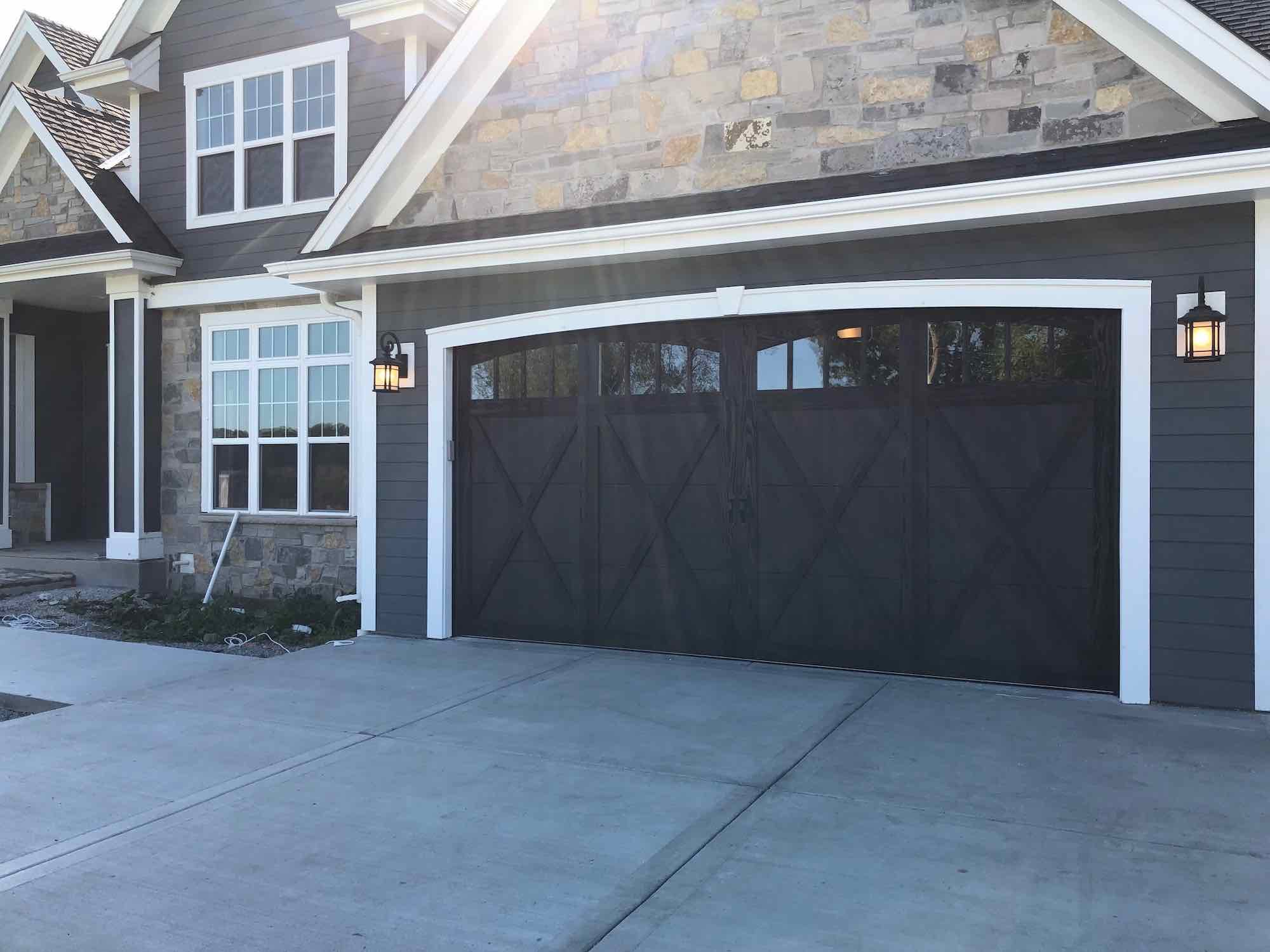
From Curb Appeal to Code: A Homeowner’s Guide to Smart Garage Door Installation Choices
Planning a garage door upgrade starts by defining what you expect from the system over the next decade. Assess security, insulation, and aesthetic goals before browsing catalogs. In practice, sketch how the door’s style aligns with your home’s architecture and your driveway slope. Then list priorities like wind resistance, quiet operation, and smartphone access. Capturing these needs early reduces change orders and helps right-size materials, opener power, and project timeline.
Meanwhile, scope the opening dimensions and framing conditions so estimates reflect reality. Verify headroom, side room, and backroom against manufacturer requirements, and document any obstructions such as sprinklers, lighting, or storage. Beyond that, check the slab for level and confirm the jambs are plumb. Small deviations compound during install, so plan shimming or minor carpentry in advance to buffer the schedule and avoid last-minute surprises.
Often, materials drive long-term performance and care. Steel panels offer durability and a wide finish range, while aluminum reduces weight where headroom is tight. Wood provides warmth but needs routine sealing. Composite cladding balances look and upkeep. Insulation values matter for attached garages; calibrate R-values with climate and use patterns. Heavier doors may require upgraded hardware, so validate spring sizing and track gauge to match the selected package.
However, the opener deserves equal attention. Belt drives cut noise near bedrooms, chain drives handle heavier loads at a value, and direct drives minimize vibration. Sequence accessory choices—battery backup, LED lighting, and Wi‑Fi modules—to match daily habits. For homeowners wanting hands‑free access, plan wall controls and exterior keypads during layout. Properly phasing wiring routes now avoids drywall patching later and streamlines Garage Opener Installation day.
Then, safety and compliance come to the forefront. Inspect photo eyes, force limits, and auto‑reverse functions during commissioning, and document model numbers and serials for warranty. Local code may govern fire separation at attached garages and energy efficiency at the door plane. Align weather seals and thresholds to keep fumes out of living spaces. Finally, validate hardware torque and track fasteners so vibration doesn’t loosen components over time.
Beyond materials and mechanics, workflow affects results. Stage all parts before removal to shorten exposure if the opening faces prevailing winds or busy streets. Sequence tear‑out, framing tune‑ups, and new hardware installation to reduce double handling. In practice, installers measure twice at each phase—hinge positions, cable length, and drum alignment—to prevent binding. A clean, level track line typically eliminates noise and premature wear.
Meanwhile, budgeting benefits from a lifecycle lens. Garage Door Installation may be a one‑day event, but ownership spans many seasons. Buffer for future service by choosing common spring sizes and opener brands with readily available parts. When a panel gets dented, matching finishes and profiles is easier if you archive order details and color codes. Over years, those small decisions translate into quicker Garage Door Panel Repair and minimal downtime.
Often, homeowners wonder whether to repair or replace. Garage Door Repair makes sense for isolated issues like sensor misalignment or a frayed cable caught early. Garage Door Replacement may be wiser when panels delaminate, hardware fatigues, and insulation fails together. Assess noise, balance, and cycle counts; if multiple systems reach end‑of‑life, consolidating work reduces labor overlaps and ensures the entire assembly performs as a unit.
Finally, maintenance closes the loop. Lubricate rollers, hinges, and springs with manufacturer‑approved products, and inspect tracks for debris. Test auto‑reverse monthly using a piece of wood under the door’s travel. For heavier assemblies, schedule periodic tune‑ups and Garage Door Spring Repair as needed to maintain balance. Keeping a simple log of adjustments, weatherstripping changes, and Garage Door Opener Repair dates helps validate warranty and track patterns.
Ultimately, a thoughtful plan yields a door that looks right, moves smoothly, and stands up to daily use. Align design, hardware, code, and care from the outset, and refine choices as measurements come in. By documenting details and staging the work, you reduce risk and rework. When the final inspection is complete and the opener hums quietly, the investment pays back in comfort, security, and curb appeal.